A first footwear sample is a development decision, not simply a smaller production order. It helps the buyer and factory check whether the design, proposed materials and construction work together before specifications are approved for bulk production.
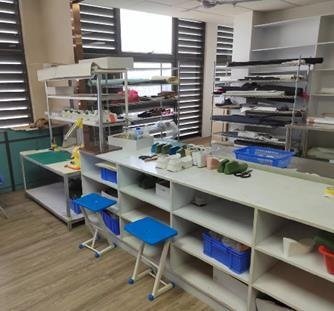
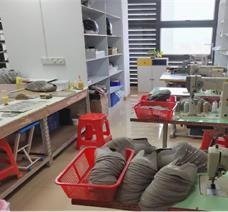
Our factory’s development workflow covers technical review, pattern preparation, sample making, sample review and revisions. What can be developed, how many revisions are included and when a sample can be ready must be agreed for the individual project.
Start with a clear development brief
Share drawings or reference images, the intended use, target market, size requirements and preferred construction. Identify the details that must match your design and the details you are open to reviewing. If you have a reference shoe, explain what it illustrates rather than assuming every feature should be copied.
Where information is missing, list it as a decision to resolve during the review. Materials, fit, tooling and commercial terms should not be treated as confirmed simply because they appear in an early sketch.
Use each sample stage to answer a question
- Technical review — Is the brief clear enough to assess the proposed materials and construction?
- Pattern preparation — Which last and pattern will be used, and what still needs confirmation?
- Initial sample — How does the proposed design translate into a physical shoe?
- Sample review — Where does the sample differ from the agreed measurements, appearance or construction?
- Revisions — Which changes are agreed, and do they affect cost, tooling or the next review date?
Record feedback before requesting a revision
Use one versioned feedback sheet rather than separate messages with conflicting instructions. Mark the sample version, add photographs where useful and distinguish an essential correction from a new design request. Ask the factory to confirm the agreed changes and any effect on the development scope.
A sample-room output figure does not establish a delivery date for your project. Confirm the material availability, tooling requirements, review rounds, sample charges and estimated schedule separately.
Define what sample approval means
Before moving to production, agree how the approved sample and written specification will be identified and retained. Clarify any differences between development materials and intended bulk materials. A sample is not, by itself, evidence that a shoe meets a particular safety or performance standard.
Discuss your development brief
Share your design references, intended use and target launch window. Sampling arrangements remain subject to feasibility review and agreed project terms.